





Guide
How to Replace Your HVAC Air Filter Correctly
Ensure efficient HVAC performance with our detailed air filter replacement guide. Learn expert tips and professional insights for DIY HVAC maintenance.
Eliminate cold spots and enjoy even heating throughout your home. Learn effective HVAC balancing tips for a cozy, comfortable environment today!
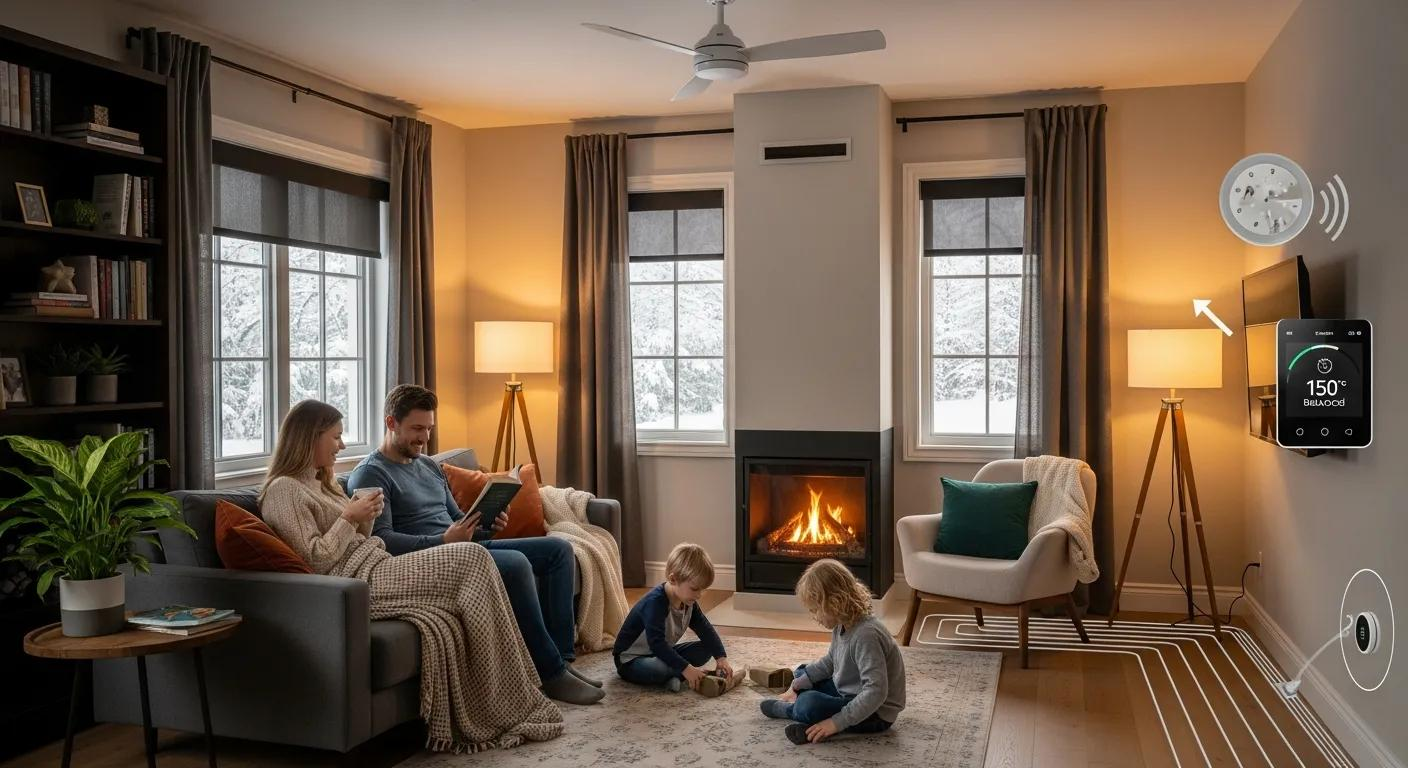
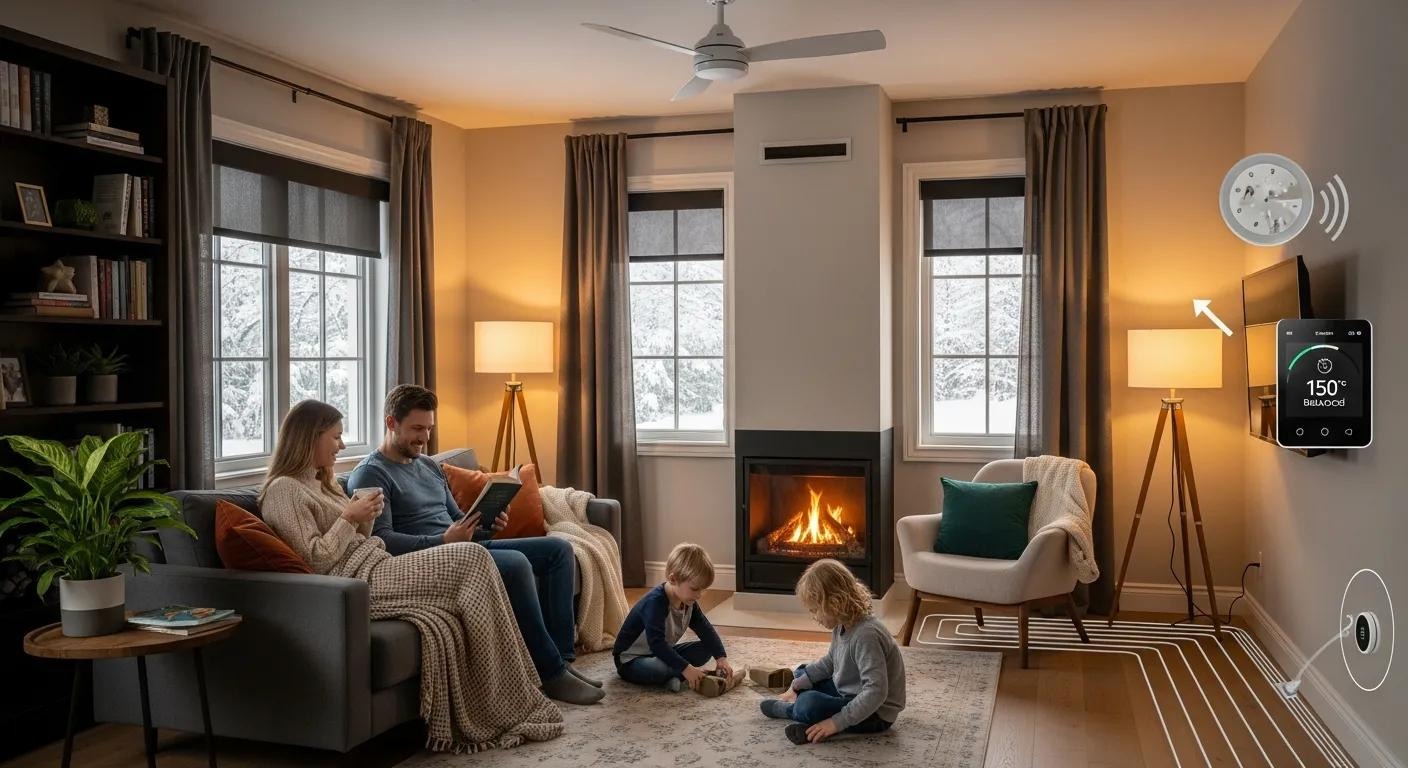
Uneven heating — those annoying cold spots in some rooms while others stay toasty — usually means heat isn’t being produced or delivered evenly throughout your house. This guide walks through why cold spots happen, how airflow and insulation affect your HVAC, and straightforward actions you can take to rebalance your system. You’ll get quick DIY checks (filters, vents, draft sealing), clear signs that point to deeper issues (leaky ducts, undersized equipment), and guidance on when to call in a pro. The article lists common causes, safe homeowner troubleshooting, red flags that require a technician, and longer-term system upgrade options like zoning and air balancing. We use terms like uneven heating, cold spots, duct sealing, airflow, and HVAC balance so you can spot the problem and pick the right next step for steady, whole-house warmth.
Uneven heating happens when parts of the heating system fail to move the right amount of warm air, or when the building itself lets heat escape. Typical culprits are leaky or blocked ducts, poor insulation and drafts, thermostat placement, restricted airflow from dirty filters, and systems sized improperly for the home. Knowing these causes helps you prioritize fixes that restore HVAC balance and cut wasted energy. Below is a quick list of the main causes and a compact table to help you match symptoms to likely problems.
Top causes of uneven heating and how they show up:
These issues often occur together; identifying the dominant cause determines whether a simple fix or professional service is needed.
The table below compares each cause, what it affects, and the common signs homeowners notice.
This comparison shows that duct and building-envelope problems usually need inspection beyond basic homeowner checks, which points to targeted diagnostic steps next.
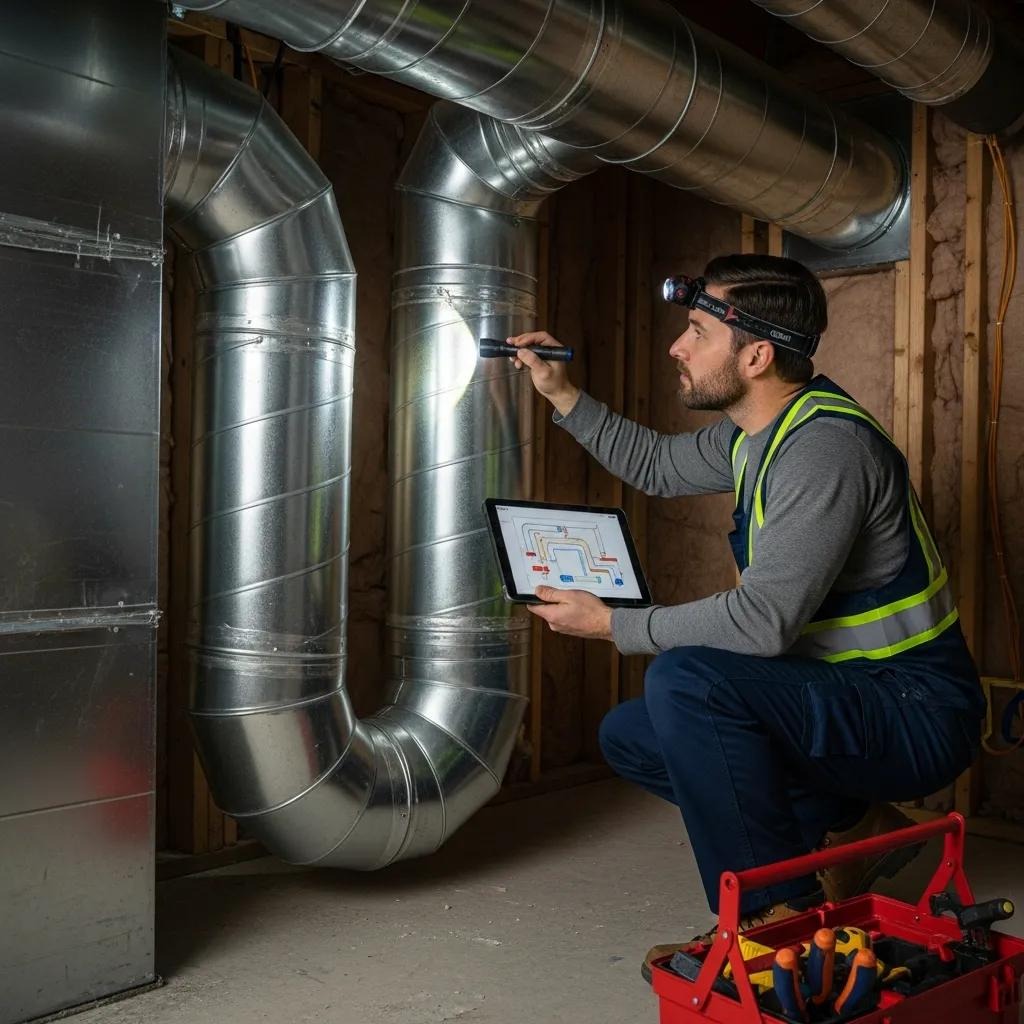
Leaky or damaged ducts let conditioned air escape into unheated spaces, lowering pressure to downstream vents and leaving far-away rooms cooler. Simply put: when volume is lost in the duct network, less warm air reaches distant registers, so rooms near the furnace stay warm while others don’t. Signs include dusty registers, inconsistent temperature patterns, or rising energy bills. You can do a basic visual check of accessible ducts, look for disconnected sections, and feel for drafts along seams, but durable sealing and accurate testing usually require pro-grade materials and diagnostic tools.
When insulation is thin or air leaks are uncontrolled, heat finds easy escape routes and your heating system can’t keep rooms even. This is especially common over uninsulated attics, at rim joists, and around older windows. Heat moves from warm to cold areas by conduction and infiltration, so rooms above uninsulated spaces or with drafty openings often feel colder. Simple checks — feeling for drafts, checking attic insulation depth, or using a thermal camera — can flag problems, but a full energy audit or professional insulation assessment is a smart next step when several areas show loss. Improving insulation reduces the load on your HVAC and helps even out temperatures throughout the house.
Focus DIY efforts on low-risk, high-impact checks that improve airflow and seal obvious heat-loss paths before calling a technician. Start with filters and vents, seal easy drafts, and confirm thermostat placement and settings. Those steps often fix common issues and tell you whether the problem is temporary or more serious. If DIY doesn’t restore balance, the next section explains when to stop and get professional diagnostics.
Follow these prioritized homeowner steps to improve heating balance:
The short action table below shows relative risk and likely effectiveness for common homeowner tasks.
If these steps don’t even out temperatures, stop further DIY work on ducts or internal components and schedule a professional evaluation to avoid accidental damage.
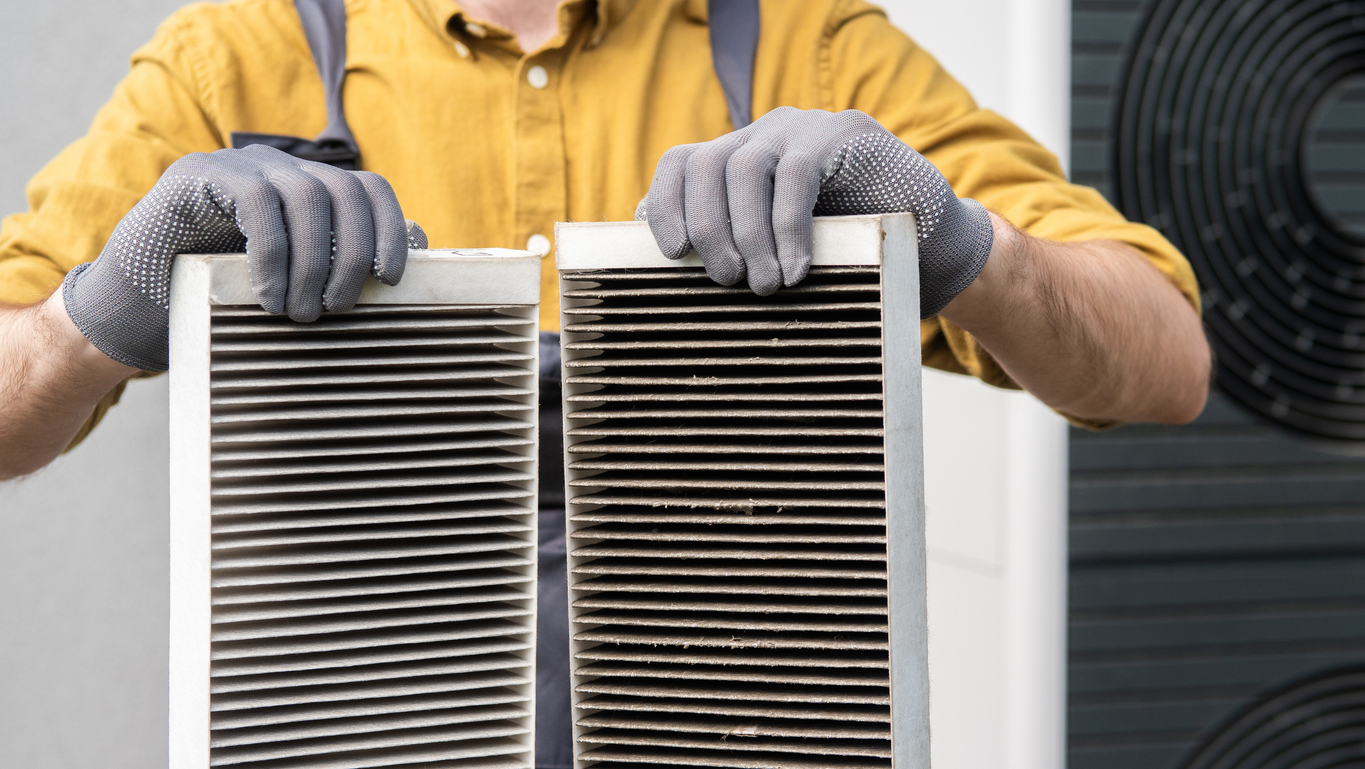
Changing filters and adjusting vents are some of the most effective homeowner actions to restore airflow and reduce cold spots — and they’re low risk when done correctly. Use a filter that matches your system’s recommendations (many homes do well with MERV 8–11) and replace it on a regular schedule so airflow isn’t restricted. To rebalance, fully open registers in cool rooms and slightly close oversized registers in warm rooms; also check the blower intake and keep returns clear. After making adjustments, track room temperatures over a few heating cycles to confirm improvement and decide if professional help is needed.
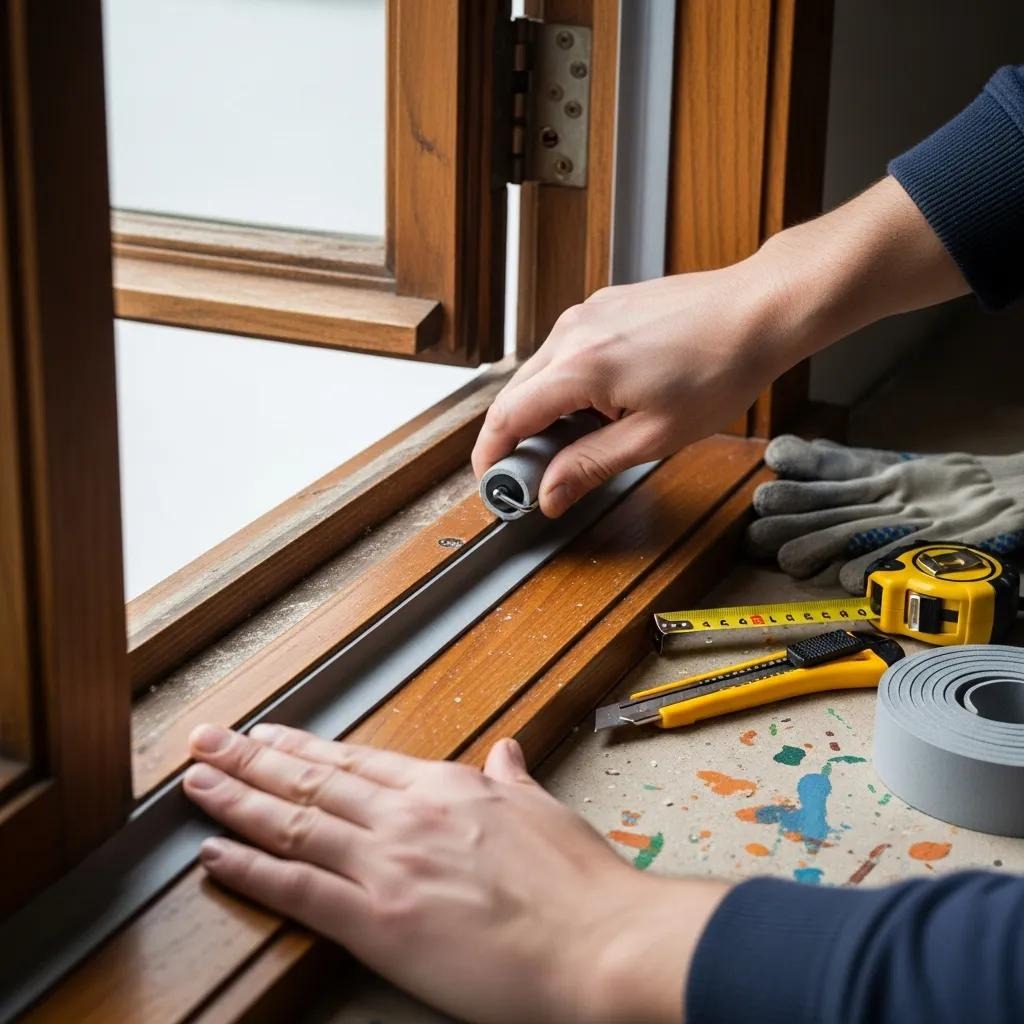
Yes. Sealing obvious drafts cuts infiltration that makes rooms feel cold even when your heater runs. Apply weatherstripping to operable windows and door sweeps at exterior doors, and use caulk for gaps where trim meets siding or masonry. Quick tests — your hand or a small candle near suspect gaps — reveal air movement; fixing these spots often delivers immediate comfort gains. For whole-house air sealing or major insulation work, call professionals so ventilation and moisture control remain correct.
Call a technician when symptoms suggest system-level problems, safety concerns, or when duct and envelope work goes beyond safe DIY. Red flags include cold rooms that remain after basic fixes, odd furnace noises, frequent short cycling, unexplained spikes in energy bills, or anything that suggests combustion or carbon monoxide risk. A trained tech can run diagnostic tests, duct pressure checks, and system balancing to find hidden faults and recommend corrective steps. Below is a simple decision checklist and a table linking common problems to professional services and expected results.
Red-flag signs that mean call a professional:
The table below maps common issues to professional services and likely outcomes.
Chapa Service Co can diagnose these issues and schedule duct testing, sealing, and system balancing to restore even heating — contact our service team for an upfront assessment and next steps.
Pros inspect ducts visually and use pressure testing, smoke, or tracer methods to find hidden leaks and disconnections that DIY checks miss. They use long-lasting sealants like mastic or UL 181-rated foil tape and may add insulation to exposed ducts to reduce heat loss. Proper sealing restores designed airflow patterns, trims energy waste, and reliably fixes many cold spots compared with temporary patches. Good technicians also verify results with post-seal testing to confirm improved pressure and temperature delivery across the home.
Air balancing redirects airflow with dampers and register adjustments so each room gets its intended share of warm air. Zoning takes that further by splitting the home into independently controlled areas for precise comfort and efficiency. Balancing optimizes your existing ducts; zoning gives targeted control to stop hot/cold fights between floors or wings of the house. Together they reduce hot and cold spots, lower unnecessary runtime, and often save energy when matched to your layout and habits — for many homes, combining both is the best long-term solution.
Routine repair and maintenance keep airflow, controls, and equipment working as intended and catch small issues before they cause uneven heating. A typical tune-up includes filter and blower checks, thermostat calibration, combustion and safety inspections, and a look at duct condition — all of which help maintain HVAC balance and extend equipment life. If you want a trusted local team, Chapa Service Co is a family-owned HVAC provider serving the DFW area with fast, reliable service, certified technicians, and 24/7 emergency heating repair when needed. Our clear assessments and full-service options help homeowners move from temporary fixes to lasting comfort.
Routine maintenance checklist homeowners should expect from professionals:
These measures protect comfort, reduce operating costs, and lower the chance of uneven heating returning. Calling a trusted local provider ensures tailored, effective service for long-term balance and comfort.
Fixing uneven heating improves comfort and saves energy. With a few targeted DIY steps you can often restore balance, and when problems run deeper, a professional diagnosis will pinpoint the right fix. If you need help, Chapa Service Co provides expert diagnostics and solutions to get your home evenly warm. Explore our services or reach out to schedule an assessment — we’ll help you enjoy consistent comfort in every room.

At Chapa Service Co we offer a variety of products and services to meet your every need. We not only service residential and commercial accounts, but industrial as well.
Our customers consistently share how our quick response times, fair pricing, and dependable service make us their go-to choice for HVAC and mechanical needs.

.webp)